

Legal Talk: The Right to Say No: Protecting Employee Privacy in the Workplace
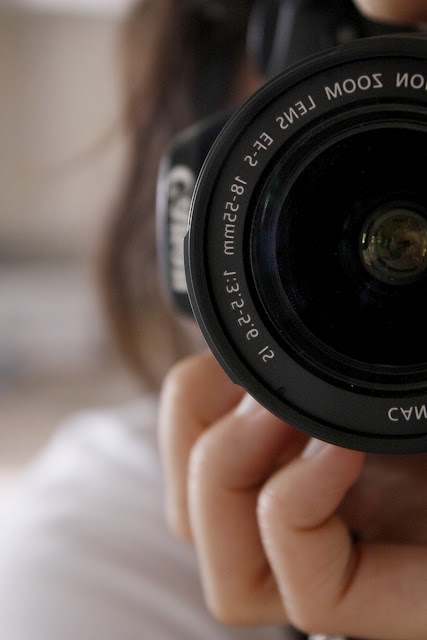

In today’s digital era, where every moment is captured, posted, and shared, the line between personal privacy and workplace publicity has become increasingly blurred. Many South African employees are now asking an important question: Do I have the right to refuse having my picture taken at work? The answer, grounded in both dignity and data protection, is a firm yes.
The Law Recognizes Your Privacy
Under South Africa’s Constitution (Section 14), every individual has the right to privacy, which extends into the workplace. Employers must respect this right, especially when it comes to collecting or sharing personal information, including photographs.
In addition, the Protection of Personal Information Act (POPIA) strengthens these rights by defining an image as personal information. This means an employer cannot take, store, or publish an employee’s photo without their informed consent. Consent must be voluntary, specific, and based on full understanding of how the image will be used — whether for internal newsletters, marketing, or social media.
What Employers Can and Cannot Do
Allowed: Employers may take photographs for legitimate business purposes only if employees have given written consent.
Not Allowed: Using photos in marketing materials, social media, or public websites without consent is a violation of privacy and POPIA.
Gray Area: In workplace events or group settings, employers should still inform all staff beforehand and allow anyone to opt out of photos.
Failure to comply with POPIA may result in legal penalties, reputational harm, and even claims of emotional distress by affected employees.
A Culture of Respect and Consent
Respecting an employee’s right to privacy is not merely a legal obligation — it’s a reflection of a company’s ethical culture.
Empowering employees to make decisions about their image promotes trust, professionalism, and mutual respect in the workplace.
Companies are encouraged to create clear media and photography policies that outline how images will be used and ensure compliance with South African law.
Final Thought
Privacy is not the absence of transparency — it is the presence of respect.
“The moment a person’s image is shared without consent, dignity is diminished. The law exists to remind us that every face deserves respect.”
Business Talk Legal Contributor